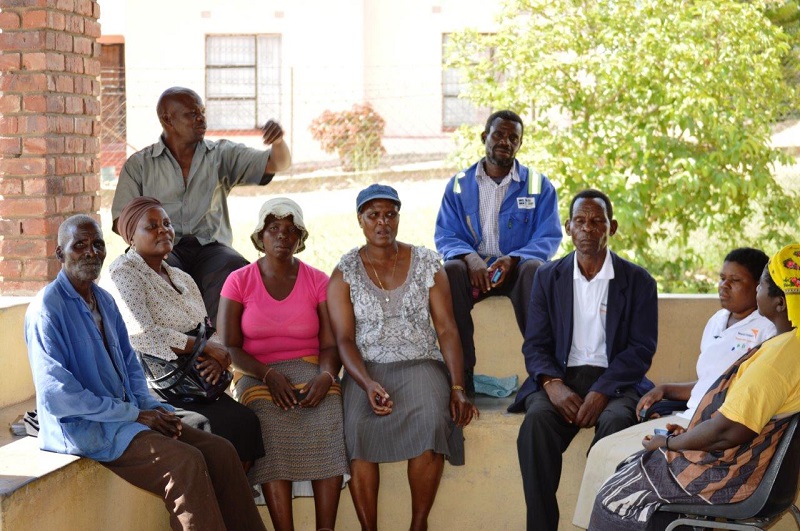
Using the CVA methodology they learned from World Vision, the Unlimited Community Voice in Action (UCVA) group has embarked on a campaign to motivate for the opening of a new clinic in Chabelani village in Limpopo Province.
“We have been in dialogue with the Department of Health at the district level, reminding them about the national core standards as outlined by the ministry, and about patients’ rights,” explains one of the group members, Johannes Machete.
This municipality is one of the poorest per capita in South Africa with maternal and child health indicators showing an unacceptably high rate of illness and mortality. Yet the 9 000-plus Chabelani villagers can only access mobile clinic services once a month. Even then, queues are always long and it’s impossible for the nurses to attend to every patient.
“Many patients are sent home without being attended to and often these include chronic patients who need medication,” says Patricia Ramabela, UCVA chairperson. The patients are told to visit another clinic, but the nearest one is 25km away, which makes it almost impossible for many patients to get to.
The UCVA group has written a petition to the Mopani district primary health care manager, making recommendation for an unused community structure to be revamped into a clinic.
Depending on the response from the district office, “our next step is to mobilise the community for a peaceful march to the provincial Department of Health; if they do not respond, we will seek intervention from the national office,” says Ramabela.
Success is almost guaranteed for this group which has a good track record of achievement through engaging both politicians and traditional leaders. For instance, a public area where girls and women were known to be at risk of rape was closed down; their petition for better signage on a dangerous school crossing led to municipal action; pre-election violence on poverty issues was avoided through a community meeting to draft a manifesto and raise these issues more formally.
“CVA training has opened our minds. Now we know the smart way to challenge government with its systems and standards. We know what they have committed to and we will hold them accountable,” concludes Ramabela.