What sponsorship does?
Some charities raise money and let others do the work and others do the work themselves and let others raise the money but World Vision is unique because it does both.
World Visions channels 78% of donations received towards direct charitable activities and the remainder is used to raise more funds and for governance.
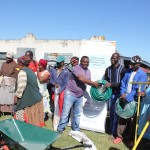
By sponsoring a child, you not only transform the life of the sponsored child but the entire community as resources are pooled to implement meaningful and sustainable projects. It is more effective to pool resources for projects that benefit the entire community as it will also improve the wellbeing of the child you sponsor.
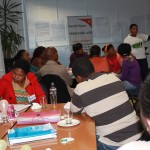
World Vision Child Sponsorship facilitates in the provision of long-term benefits to children, families and communities. World Vision’s interventions vary according to the specific needs of a community. The community level interventions, funded through child sponsorship, focus on the key areas that make a huge difference in children’s lives. The key areas are:
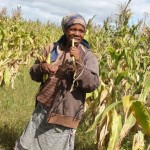
Food security:
enabling families to grow or access enough food
Clean, safe water:
facilitating access to clean and safe water close to homes
Healthcare:
encouraging, facilitating and providing information on immunisation and vaccination as well as developing skills in midwifery and community based care for elderly and infirm.
Education:
ensuring that girls and boys complete primary school education.
Sustainable livelihoods:
developing individual and community business skills that provide increased income and employment opportunities through revolving loan schemes.
HIV and AIDS:
tackling stigma and facilitating community based care for those living with AIDS as well as improving access to testing and counselling.
Child Protection:
helping families and communities protect their children from sexual and/or commercial exploitation
Disability awareness:
encouraging communities to extend opportunities for people living with disabilities and enable them to participate in community life
Disaster preparedness:
helping communities to plan ahead to mitigate the impact of floods, drought, cyclones and be less dependent on outside help and prepare communities to quickly recover from such natural disasters
Community skills/capacity development:
ensuring sustainability so that communities will continue with the work even after World Vision has phased out (usually after 15 years)

 sending...