Health
Responding to orphans and vulnerable children affected and infected by hiv & aids
World Vision South Africa (WVSA) works through Area Development Programmes (ADPs) that operate within contiguous geographic areas, for periods from 10 to 15 years in multiple sectors with various sources of funding.
The organization’s integrated focus is Christian, child focused and community based. WVSA designs, monitors and evaluates these programmes with communities in order to ensure success with the four child well-being outcomes. These outcomes are driven via the organization’s ministry pillars of Transformational Development; Humanitarian Emergency Affairs and Advocacy.
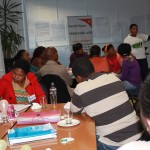
WVSAs method of prevention, care and support, and advocacy of Orphans and Vulnerable Children (OVC) is to build the capacity of communities to establish Community Care Coalitions (CCC). These coalitions draw representatives for all sectors including education, health, agriculture, security services and faith based organizations, amongst others. The capacity of the CCCs is assessed and organizational capacity building is introduced to address identified capacity gaps.
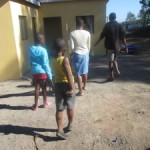
The CCCs then recruit home visitors who visit orphans and vulnerable children and families at their homes so as to ensure that they have access to the components identified within the child well-being outcomes. They also work with centres for Early Childhood Development (ECD), primary and secondary schools, drop-in centres as well as with out-of-school youth and their families to ensure that orphans and vulnerable children have access to aspects pertaining to the prevention of HIV, such as:
Voluntary Care and Treatment [VCT], Prevention of Mother-to-Child Transmission [PMTCT], nutrition through cooked meals, food parcels and food gardens, birth registrations, access to primary health care, water, sanitation and hygiene, after-school care, psycho-social support, shelter, economic opportunities (Accumulated Savings and Credit Associations [ASCA]), and vocational training. A monitoring and reporting system assesses the direct and indirect benefits received by the OVC’s.
Hiv & aids
The AIDS pandemic is the one of the most devastating humanitarian disasters of our time, leaving a generation of children in jeopardy. An estimated 15 million children under age 18 have been orphaned due to AIDS and the number is rising. About 11.6 million of these children live in sub-Saharan Africa. AIDS destabilizes families and entire societies, leaving children without the care and support necessary to grow up, survive, and thrive.
Nearly 33 million people are living with HIV and AIDS, of which 2 million are children under the age of 15. Children under 15 account for one in six AIDS related deaths and one in seven new HIV infections (3), which usually occur in the womb, during birth, or through breastfeeding.
What is World Vision doing?
World Vision operates AIDS prevention and care programs in more than 60 countries. The organization’s work is particularly focused on meeting the needs of millions of children who have been made vulnerable because of the pandemic, especially those who have lost parents to AIDS-related causes. AIDS awareness is also a significant aspect of World Vision development programs, which provide long-term aid to communities pursuing self-sufficiency.
In partnership with local community and church leaders, World Vision staff and volunteer caregivers regularly visit households where there are vulnerable children and/or people are living with HIV and AIDS or other illnesses, like malaria.
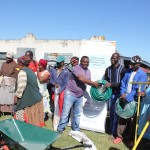
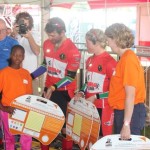
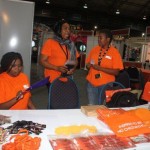
In solidarity with these efforts, volunteers with South Africa’s Networks of Hope Initiative assemble Caregiver kits, many of these at group events with their churches, companies, and other groups. The kits contain basic supplies that enable caregivers to serve their patients while protecting themselves from infection. Items include soap, washcloths, a flashlight, and ointments.
The HIV/AIDS Networks of Hope Initiative is committed to extend tangible hope to those affected by HIV/AIDS. Its goal is to improve the quality of life and resilience of orphaned and vulnerable children (OVC). The primary goal of the Initiative is partnering with churches and faith-based organizations (FBOs) to maximize their overall capacity to respond to HIV/AIDS.
The prevention of HIV & AIDS is focused on (1) values-based life skills training for children (12 – 17 years); (2) the expansion of Voluntary Counseling and Testing (VCT) and Prevention of Mother-to-Child-Transmission (PMTCT) in World Vision Area Development Programs (ADPs).
The models of sustainability include the Community Care Coalition (strengthened community-led response to protect and care for orphaned and vulnerable children (OVCs)); Channels of Hope (Involve churches in the care and support of their orphaned and vulnerable children) and organizational capacity building (capacity building of Community Care Coalitions (CCC’s), home visitors and children).

 sending...